
Caring for Episiotomy and C-Section Stitches
Keeping stitches clean and dry, avoiding constipation and heavy lifting, and recognising infection signs are the basics of caring for episiotomy and C-section wounds.

In this article 5 sections
The basic rules for caring for episiotomy or caesarean section stitches after childbirth are to keep the wound clean and dry, avoid constipation and heavy work, take the pain relief your doctor has prescribed as directed, and seek treatment without delay if signs of infection appear. With proper care, most stitches heal well within a few weeks. In the video, Dr Sharmin Afroz explains this topic briefly.
01What is an episiotomy?
During a vaginal birth, a small cut is sometimes made in the area between the vagina and the back passage (the perineum) to make room for the baby’s head and reduce uncontrolled tearing. This is called an episiotomy, often known in Bangla as a ‘side cut’. It is stitched after the birth. Usually dissolvable stitches are used, so they do not need to be removed. Some pain and discomfort for a few days is normal.
02Caring for episiotomy stitches
- After each time you pass urine or open your bowels, wash with clean water from front to back, then gently pat dry with a clean, soft cloth.
- Change your sanitary pad every few hours or whenever it is wet. Wash your hands with soap before and after changing it.
- If your doctor agrees, sitting in a little clean, warm water for a short while may ease the pain.
- Wear loose cotton underwear.
- Do not put oil, powder, ointment or any home remedy on the stitches unless your doctor advises it.
- You can use a soft cushion when sitting.
- Once the pain settles, starting pelvic floor exercises as your doctor advises can help recovery.
03Caring for caesarean stitches
- Follow the dressing instructions given by the hospital. Once the dressing is removed, keep the wound clean and dry.
- After bathing, pat the wound dry gently; do not rub.
- Wear loose clothing so that nothing rubs against the wound.
- Start walking a little while still in hospital. This lowers the risk of blood clots and helps recovery.
- For the first few weeks, do not lift anything heavier than your baby and avoid heavy housework.
- Holding a pillow gently against your tummy when you sneeze, cough or laugh reduces pain.
- Ask your doctor whether and when you need to come back to have stitches or staples removed.
04Important for both
Constipation makes you strain, which increases pain at the stitches. So drink enough water and eat vegetables, fruit and high-fibre foods. Protein-rich foods such as lentils, eggs, fish and meat help wounds heal. Take any pain relief or other medicines your doctor has prescribed as directed. Get enough rest, and ask at your postnatal check-up when it is safe to resume sex.
When to see a doctor
See a doctor or go to hospital promptly if you notice any of the following:
- Fever or shivering
- Redness, swelling or warmth around the stitches, or pain that keeps getting worse
- Pus or foul-smelling fluid from the wound, or the wound opening up
- Foul-smelling vaginal discharge
- Sudden heavy bleeding or passing large clots
- Pain and swelling in the calf, breathlessness or chest pain: these are emergencies
- Problems controlling urine or bowels
Q & A
Frequently asked questions
They usually heal within a few weeks, and dissolvable stitches disappear on their own. Pain and discomfort gradually ease.
Yes, bathing is usually fine. Pat the wound dry gently afterwards and follow the hospital's dressing instructions.
Do not apply anything unless your doctor advises it. Washing with clean water and keeping the area dry is what matters most.
Gentle walking helps from the first day, but heavy work should be avoided for several weeks. Your doctor will advise you based on your recovery.
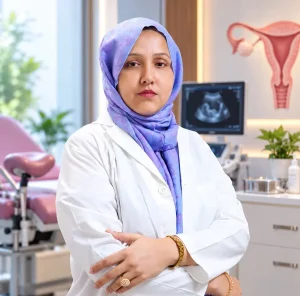
Article & video by
Dr. Sharmin Afroz
Obstetrics, Gynaecology & Infertility Specialist and Laparoscopic Surgeon
Assistant Professor, Department of Obstetrics & Gynaecology, Anwer Khan Modern Medical College & Hospital.