Pregnancy Planning for Working Women: Key Advice
Work and motherhood can go together if you plan ahead with a check-up, a review of workplace risks, healthy eating and leave planning.

In this article 5 sections
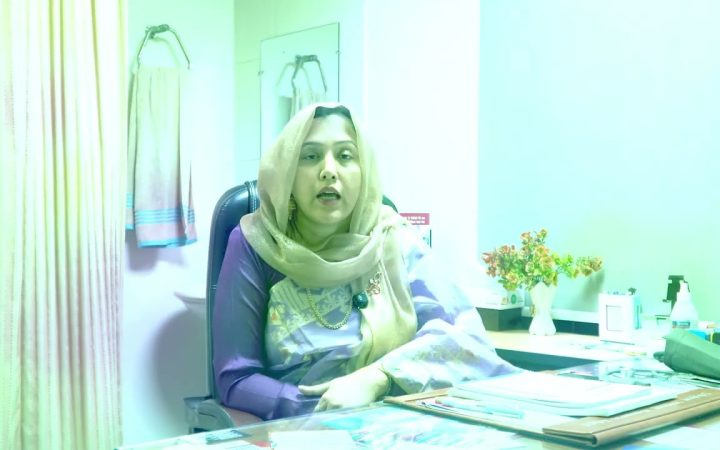
For working women, the most important part of planning a pregnancy is preparing ahead: a check-up with your doctor a few months before trying, starting folic acid, checking whether your job carries any risks, and making a realistic plan for meals, rest and leave at work. With this preparation, a career and a healthy pregnancy can go together. In the video, Dr Sharmin Afroz explains this topic briefly.
01Preparing before pregnancy
Because of busy schedules, many women see a doctor for the first time only after becoming pregnant. A pre-conception check-up beforehand can prevent many problems.
- Tests for anaemia, thyroid, blood sugar and blood pressure
- Checking blood group and whether any vaccinations are needed
- Getting diabetes, high blood pressure or other long-term conditions under control first
- Asking your doctor whether any regular medicines are safe in pregnancy
- Starting folic acid before conception as your doctor advises, which lowers the risk of certain birth defects of the baby’s brain and spine
Many women delay having children for career reasons. It is worth remembering that female fertility gradually declines with age, especially after 35. You can discuss this openly with your doctor when planning your family.
02Know the risks at your workplace
Most office work is safe in pregnancy. However, some jobs need extra care:
- Work with chemicals, pesticides, paints or solvents
- Work near X-rays or radiation
- Heavy lifting or standing for long periods
- Long night shifts or excessive working hours
- Exposure to infections, for example in healthcare or childcare
If your work involves any of these, talk to your doctor and, if needed, ask your employer for a temporary change in duties.
03Healthy habits at work
- Food: do not skip breakfast. Keep home-cooked food, fruit and nuts at work, and cut down on fried food from outside.
- Water: keep a water bottle at your desk and do not hold in urine.
- Movement: avoid sitting for hours; take a short walk every hour.
- Sleep and rest: try to get enough sleep at night.
- Stress: share the workload and ask family and colleagues for support.
- Commuting: take care on crowded transport and leave with time to spare.
04Planning leave and work
Find out your employer’s maternity leave policy early. Put antenatal check-up and scan dates on your calendar in advance so that taking time off is easier. Discuss breastfeeding, childcare and your return to work with your family well before the birth.
If you want to continue breastfeeding after returning to work, you can learn how to express and store breast milk in advance. Discuss with your employer whether a clean, private space and time will be available for this. Recovery of body and mind after birth takes time, so do not put too much pressure on yourself.
When to see a doctor
If any of the following happens at work during pregnancy, stop what you are doing and see a doctor or go to hospital promptly:
- Vaginal bleeding or a watery discharge
- Severe lower abdominal pain or cramps
- Severe headache, blurred vision or swelling of the hands and face
- Fainting or severe dizziness
- Reduced baby movements in later pregnancy
Q & A
Frequently asked questions
Yes, ordinary computer work is safe. Just avoid sitting for long stretches and take regular walking breaks.
If there are no complications, many women work until late in pregnancy. Your doctor will advise based on your job and health.
Long night shifts can put extra strain on the body. Discuss it with your doctor and, if needed, ask for a change of shift.
High stress, lack of sleep and an irregular routine affect overall health. If you have been trying for a long time without success, see your doctor.

Article & video by
Dr. Sharmin Afroz
Obstetrics, Gynaecology & Infertility Specialist and Laparoscopic Surgeon
Assistant Professor, Department of Obstetrics & Gynaecology, Anwer Khan Modern Medical College & Hospital.