
Struggling to Conceive? Common Causes of Male Infertility
When a couple cannot conceive, testing only the wife is not enough; male factors are often involved. Sperm, hormone and lifestyle problems are the main causes.

In this article 5 sections
When a couple struggles to conceive, our society often blames only the woman, but in reality a male problem is frequently part of the cause. The main causes of male infertility are a low sperm count, poor sperm movement or abnormal sperm shape, a blockage in the passage of sperm, hormone problems and certain lifestyle habits. The good news is that many causes can be identified and treated. In the video, Dr. Sharmin Afroz briefly explains this topic.
01What male infertility is
If a woman has not conceived after one year of regular intercourse without contraception and the cause lies in the man’s reproductive health, this is called male infertility. Pregnancy requires enough healthy sperm to be produced, to move properly and to be released in the semen. A problem at any of these stages can make conception difficult. Remember that infertility is not the same as impotence; many men with a completely normal sexual life can still have fertility problems.
02Main causes of male infertility
Sperm-related problems
- A low sperm count, or no sperm at all in the semen (azoospermia)
- Poor sperm movement
- Abnormal sperm shape
Physical and medical causes
- Varicocele: swollen veins in the scrotum, which can affect sperm production
- Infection: mumps or sexually transmitted infections can damage the testes or the sperm ducts
- Hormone problems: low testosterone or brain reproductive hormones, thyroid disease
- Blockage of the sperm passage: from previous surgery, injury or a condition present from birth
- Testes that did not descend into the scrotum in childhood
- Certain genetic conditions
- Diabetes, and some medicines, cancer treatment or testosterone and steroids taken from outside
- Problems with ejaculation or intercourse
Lifestyle and environmental causes
- Smoking, alcohol and recreational drugs
- Excess weight
- Long hours in hot environments or working with a laptop on the lap
- Exposure to pesticides, heavy metals or chemicals
- Long-term stress and poor sleep
- Increasing age
03How it is tested
The first and most important test is a semen analysis, which looks at sperm count, movement and shape. You are usually asked to avoid ejaculation for a few days beforehand; check the exact instructions with the laboratory or your doctor. If the result is abnormal, the test is often repeated. Depending on the findings, a physical examination, hormone tests, ultrasound or genetic tests may also be needed.
04What you can do
Stopping smoking and alcohol, keeping a healthy weight, eating a balanced diet, exercising regularly and sleeping well all benefit sperm health. Depending on the cause, treatment may involve medicines, surgery or, if needed, assisted reproduction such as IUI, IVF or ICSI. Do not take supplements or hormones on your own.
When to see a doctor
If you are having trouble conceiving, husband and wife should see the doctor together. Seek advice without delay if:
- You have not conceived after one year of trying (or six months if the wife is over 35)
- You notice pain, swelling or a lump in the testes
- You have had a testicular injury, surgery or mumps in the past
- You have problems with intercourse or ejaculation
Sudden severe pain and swelling of a testicle can be an emergency; go to hospital promptly.
Q & A
Frequently asked questions
No, sperm count and quality cannot be judged by eye. A laboratory semen analysis is needed.
Many causes, such as hormone problems, varicocele or lifestyle factors, can be improved with treatment or changes. In some cases, IVF or ICSI makes having a baby possible.
New sperm take about three months to develop, so you usually need to wait a few months to see the effect of lifestyle changes or treatment.
Yes, both partners should be assessed from the start. This saves time and helps find the cause sooner.
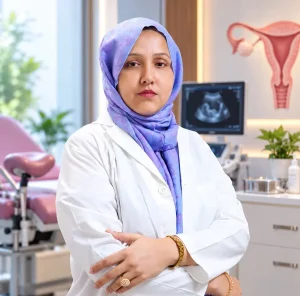
Article & video by
Dr. Sharmin Afroz
Obstetrics, Gynaecology & Infertility Specialist and Laparoscopic Surgeon
Assistant Professor, Department of Obstetrics & Gynaecology, Anwer Khan Modern Medical College & Hospital.