What to Eat in Pregnancy for Healthy Baby Weight
No single food increases a baby's weight. A balanced, protein-rich diet, preventing anaemia and regular check-ups are the foundation of healthy baby growth.

In this article 5 sections
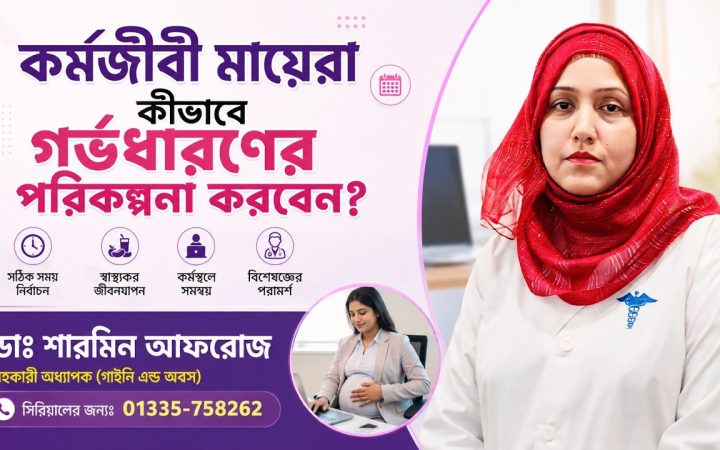
There is no single special food in pregnancy that will definitely increase your baby’s weight. For healthy growth, the mother needs a balanced diet with enough protein, iron, calcium, vitamins and energy, along with the supplements her doctor prescribes, enough rest and regular antenatal check-ups. If the baby seems small, it is important to find the cause rather than simply eating more. In the video, Dr Sharmin Afroz explains this topic briefly.
01What a baby’s weight depends on
The baby gets all its nutrition from the mother’s blood through the placenta. So the baby’s growth depends on the mother’s nutrition, how well the placenta works and the mother’s overall health. Anaemia, high blood pressure, infection, smoking or second-hand smoke, and problems with the placenta can all slow the baby’s growth. Some babies are also naturally a little smaller, depending on the parents’ build. So if an ultrasound shows a lower weight, your doctor will judge how significant it is.
02What to eat
- Protein: eggs, fish, chicken, lentils, chickpeas, milk and yoghurt. Include some protein at every meal.
- Iron-rich foods: liver and red meat in moderation, taro leaves, spinach and other green leafy vegetables, and lentils. Eating vitamin C-rich fruit such as lemon, guava or amla alongside helps iron absorption.
- Calcium: milk, yoghurt, cheese and small fish eaten with their bones.
- Carbohydrates and energy: rice, chapati, potatoes and oats in sensible portions, choosing whole grains where possible.
- Vegetables and fruit: a variety of colourful vegetables and seasonal fruit every day.
- Healthy fats: nuts and seeds in moderation.
- Water: drink enough water through the day.
The idea of ‘eating for two’ is not correct. Usually a little extra food is needed in the second and third trimesters, about the size of one additional snack. If you feel sick, eat small amounts often rather than large meals.
An example day: chapati, egg and vegetables for breakfast; a piece of fruit or a glass of milk mid-morning; rice, lentils, fish or meat and vegetables at lunch; yoghurt, nuts or chickpeas in the afternoon; and a light but nourishing dinner. You can adapt this to your taste, budget and health. If you have diabetes or another condition, get a personalised meal plan from your doctor or a dietitian.
03What to avoid
- Too many sweets, fizzy drinks and fried food: they raise the mother’s weight and the risk of gestational diabetes without ensuring healthy baby growth
- Raw or undercooked eggs, fish and meat, and unpasteurised milk
- Smoking, chewing tobacco and second-hand smoke
- Any ‘weight gain’ powders, tonics or traditional remedies without your doctor’s advice
04What matters besides food
Take the iron, folic acid and calcium your doctor prescribes regularly. Rest a little during the day and sleep well at night; in later pregnancy, lying on your side is better. At regular check-ups, the mother’s weight, blood pressure and bump size are checked, and an ultrasound is done when needed to assess the baby’s growth. If growth is found to be slow, your doctor will advise extra monitoring and any necessary steps.
When to see a doctor
- If your baby is moving less or differently from usual, go to hospital the same day without waiting
- Severe headache, blurred vision or swelling of the hands and face
- Vaginal bleeding or your waters breaking
- Vomiting so much that you cannot keep food or water down
- Severe weakness, breathlessness or a racing heart, which may be signs of anaemia
Q & A
Frequently asked questions
Too much sugar or fat mainly increases the mother's weight and may raise the risk of gestational diabetes. A balanced diet is best for healthy baby growth.
Discuss the report with your doctor. They will look for the cause and advise extra monitoring or other steps if needed.
No. A little extra food is needed in later months, not double. The quality of food matters more than the amount.
The need for these rises in pregnancy, so doctors usually prescribe supplements. Take them regularly as advised.
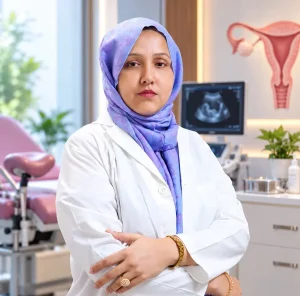
Article & video by
Dr. Sharmin Afroz
Obstetrics, Gynaecology & Infertility Specialist and Laparoscopic Surgeon
Assistant Professor, Department of Obstetrics & Gynaecology, Anwer Khan Modern Medical College & Hospital.