Why Do Repeated Miscarriages Happen? Causes and Risk Factors
Repeated miscarriage can be linked to chromosome problems, maternal age, blood clotting conditions, womb shape or hormones, and often no cause is found at all.

In this article 6 sections
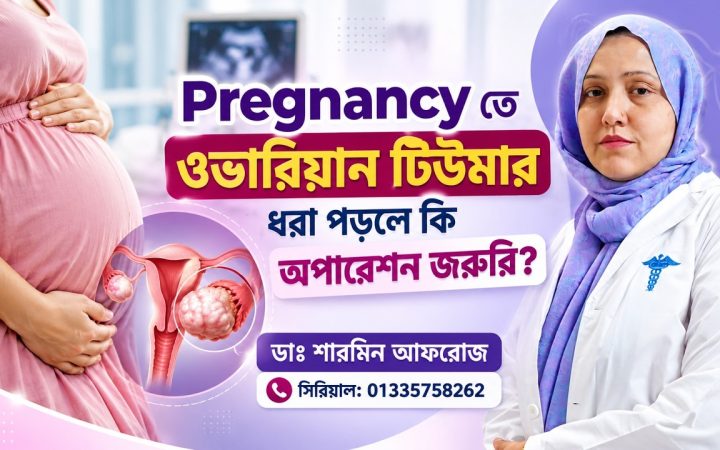
Repeated miscarriages can have several possible causes: a chromosome problem in the embryo, the mother’s age, a tendency for the blood to clot, a structural problem with the womb, hormonal conditions or certain lifestyle factors. Yet for many couples, even after testing, no specific cause is found. In the video, Dr Sharmin Afroz briefly explains this topic. In this article we try to make sense of the possible causes in simple terms.
01First, an important point: it is not the mother’s fault
In our society the mother is often blamed for a miscarriage, with people suggesting it happened because she did heavy work, walked too much, went to the office or ate a particular food. Normal daily activity, gentle exercise and a normal sexual relationship are generally not causes of miscarriage. These myths leave mothers feeling needlessly guilty. What is needed most at this time is understanding and support from the family.
02Chromosome problems in the embryo
The most common cause of miscarriage in the first three months of pregnancy is a chromosome abnormality in the embryo, meaning the pregnancy was not able to develop normally. This usually happens by chance and is not the result of anything the parents did. As a woman gets older, eggs are more likely to carry such errors, so the risk of miscarriage is higher in older mothers. Rarely, one partner carries a rearrangement of their chromosomes (a balanced translocation) that causes them no health problems but can lead to repeated miscarriages.
03Factors in the mother’s body
- Antiphospholipid syndrome (APS): an immune condition that makes the blood clot more easily and can reduce blood flow to the placenta. It is an important and treatable cause of recurrent miscarriage.
- Problems with the shape of the womb: a dividing wall inside the womb present from birth (septum), or fibroids or polyps bulging into the cavity, can stop the embryo implanting and growing properly.
- A weak cervix (cervical insufficiency): this can cause the cervix to open without pain, usually in mid-pregnancy, leading to a late miscarriage.
- Hormonal and metabolic conditions: uncontrolled diabetes and untreated thyroid disease raise the risk. Polycystic ovary syndrome (PCOS) may also be linked with a higher risk in some women.
- Some infections: a serious infection or high fever can occasionally be associated with miscarriage.
04Lifestyle and environmental factors
Some risks are within our control:
- Smoking, second-hand smoke, chewing tobacco and alcohol
- Being significantly overweight or underweight
- Very high intake of tea, coffee or other caffeine
- Taking medicines without medical advice
Changing these improves overall health and prepares the body for the next pregnancy.
05When no cause is found
In many cases of recurrent miscarriage, all the tests come back normal. This can feel frustrating, but it does not mean you will never have a baby. Many such couples go on to have a healthy baby in a later pregnancy with close monitoring.
When to see a doctor
See a gynaecologist after two or more miscarriages, or after a loss in mid-pregnancy. During pregnancy, go to hospital urgently if you have:
- Heavy bleeding or passing large clots
- Severe lower tummy pain or pain on one side
- Fever, shivering or a foul-smelling discharge
- A sudden gush of fluid, or dizziness and fainting
Q & A
Frequently asked questions
Normal daily activity and office work are generally not causes of miscarriage. If your doctor advises rest for a specific reason, follow that advice.
Yes. As a woman gets older, eggs are more likely to have chromosome errors, which raises the risk of miscarriage.
Rarely, a chromosome rearrangement in either partner can cause repeated miscarriages. Both partners can be tested if needed.
Article & video by
Dr. Sharmin Afroz
Obstetrics, Gynaecology & Infertility Specialist and Laparoscopic Surgeon
Assistant Professor, Department of Obstetrics & Gynaecology, Anwer Khan Modern Medical College & Hospital.