Many Small Cysts on the Ovary: What Causes Polycystic Ovaries?
The small fluid sacs seen on ultrasound are actually immature follicles, mainly linked to hormonal imbalance and insulin resistance rather than true cysts.

In this article 6 sections
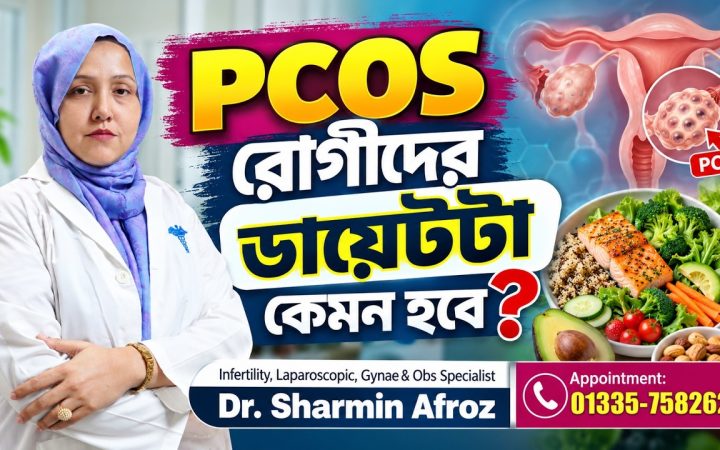
The main reason many small fluid-filled sacs appear on the ovaries is a hormonal imbalance that stops the egg follicles from maturing fully and releasing an egg, so they remain in the ovary. This is called polycystic ovaries, and when it comes with certain symptoms it is known as polycystic ovary syndrome (PCOS). In the video, Dr Sharmin Afroz briefly explains this topic. In this article we look at why this happens and when it is worth seeking advice.
01What are these small sacs?
Each month several follicles start to grow in the ovary, each containing an egg. Normally one matures and bursts to release its egg, a process called ovulation. When hormones are out of balance, many follicles grow a little and then stop. On ultrasound these appear as many small fluid sacs. So although the name says polycystic, they are not cysts or tumours in the usual sense, and they do not turn into cancer.
02Why does it happen? Possible causes
No single cause has been fully identified, but several factors are thought to work together:
- Higher levels of male-type hormones (androgens): women naturally have small amounts of these. Higher levels interfere with follicle development.
- Insulin resistance: when the body does not respond well to insulin, insulin levels rise and push the ovaries to make more androgens. This can occur even in women who are not overweight.
- Family tendency: the risk is higher if a mother, sister or aunt has PCOS.
- Weight and lifestyle: excess weight, especially around the waist, low physical activity and unhealthy eating can worsen insulin resistance and symptoms.
03Can PCOS be diagnosed from an ultrasound alone?
No. Many healthy women, especially teenagers and young women, naturally have many follicles on their ovaries. Under international guidelines, PCOS is usually diagnosed when at least two of three features are present: irregular or infrequent periods, signs or blood test evidence of raised male hormones, and polycystic ovaries on ultrasound. Other causes, such as thyroid or prolactin problems, also need to be ruled out. In the first few years after periods start, ultrasound alone is not used to diagnose PCOS.
04Common symptoms and long-term effects
- Irregular periods or no periods for several months
- Acne, or unwanted hair on the face, chin or body
- Thinning hair on the scalp
- Weight gain or difficulty losing weight
- Delay in getting pregnant
Over the long term, PCOS can increase the risk of diabetes, high blood pressure and raised cholesterol. Going a long time without periods can also lead to thickening of the womb lining. Regular check-ups are therefore important.
05What can be done?
PCOS cannot be removed for good, but it can be managed well. Healthy eating, regular exercise and, if overweight, modest weight loss help many women have more regular periods and ovulate again. Where needed, your doctor will tailor treatment to your symptoms and pregnancy plans.
When to see a doctor
- If your periods are repeatedly irregular or stop for more than three months
- If you have not conceived after a year of trying (six months if you are over 35)
- If unwanted hair, acne or hair loss is getting worse quickly
- Seek prompt care for very heavy bleeding or sudden severe lower tummy pain
Q & A
Frequently asked questions
Usually not. They are immature follicles, so surgery is rarely needed; treatment focuses on symptoms and hormone balance.
No. Many women conceive naturally or with help after lifestyle changes and, where needed, treatment.
Yes. Women of normal or low weight can also have PCOS. Weight is one influence, not the only cause.
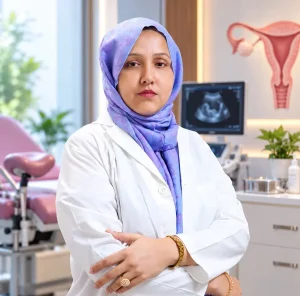
Article & video by
Dr. Sharmin Afroz
Obstetrics, Gynaecology & Infertility Specialist and Laparoscopic Surgeon
Assistant Professor, Department of Obstetrics & Gynaecology, Anwer Khan Modern Medical College & Hospital.